Why two solar quotes rarely match
If you have asked more than one installer for a rooftop solar quote in Patna or anywhere in Bihar, you have probably noticed that two quotes for the “same” system can be far apart. That is not always a sign that someone is overcharging. A solar system is a combination of several components and services, and each one can be chosen at a different quality level.
Knowing what drives the cost helps you compare quotes line by line, ask the right questions and choose a system that will keep saving money for decades — not just the one with the lowest number on day one.
1. System size (kW)
The biggest factor is the size of the system, measured in kilowatts (kW). A larger system has more panels, a larger inverter and more mounting structure, so the total price rises with size — although the cost per kW usually comes down as systems get bigger.
The right size depends on how much electricity you use. A quick way to start is to look at the units (kWh) on your last few electricity bills. As a rough guide, one kilowatt of rooftop solar in Bihar produces around 4 units a day on average, or roughly 120 units a month, depending on season, orientation and shading. Our free savings calculator gives an indicative size from your monthly bill.
2. Type of system: on-grid, off-grid or hybrid
The system type changes the bill of materials significantly:
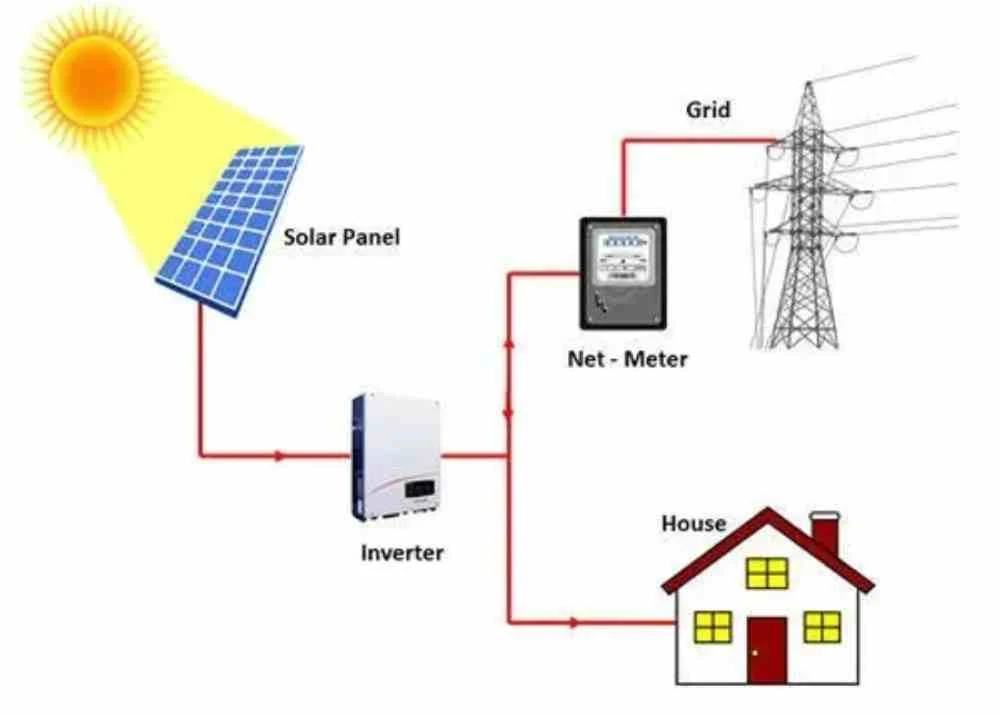
- On-grid systems connect to the electricity grid through a net meter and do not need batteries, which makes them the most affordable option.
- Off-grid systems store energy in batteries so you have power without the grid. Batteries add to the cost and need replacement over the life of the system.
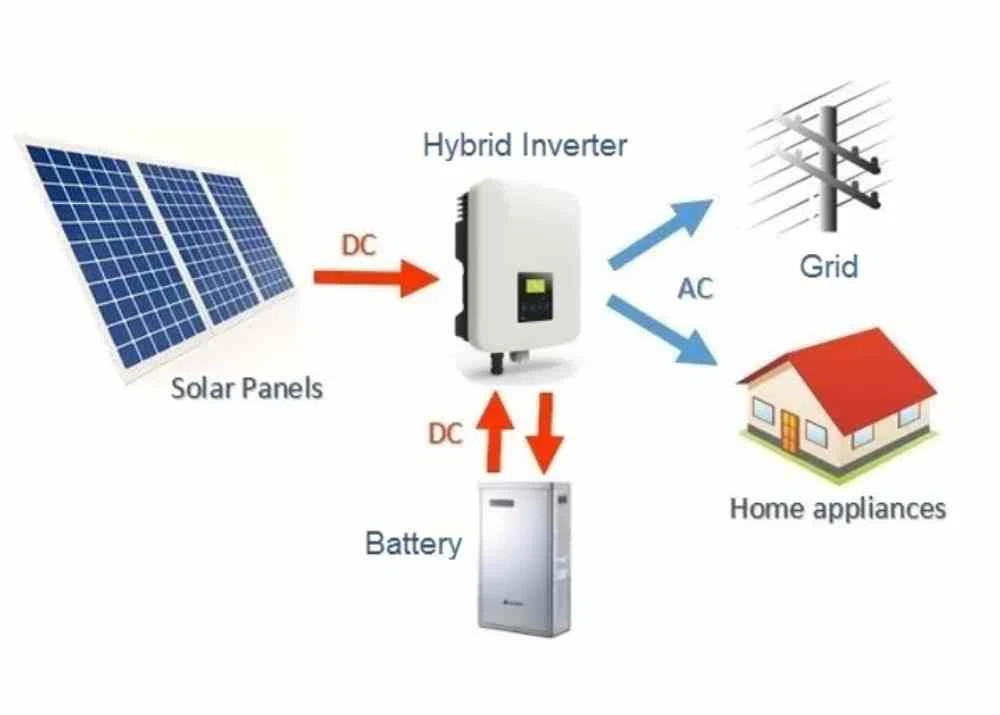
- Hybrid systems combine batteries with a grid connection, giving backup during power cuts and net-metering savings. They are usually the most expensive of the three.
Read our detailed comparison: On-grid vs off-grid vs hybrid.
3. Panel technology and brand
Panels are the largest single component. Price varies with technology (for example mono-PERC, TOPCon or bifacial modules), efficiency, the manufacturer’s reputation and whether the panels are eligible for government schemes. Higher-efficiency panels produce more power from the same roof area, which matters if your roof is small.
Always check the product warranty and the performance warranty. Most manufacturers offer long warranties — commonly in the range of 10 to 25 years — covering panel quality and power output.
4. Inverter
The inverter converts DC power from the panels into AC power for your home. On-grid, off-grid and hybrid systems each need a different type of inverter, and hybrid inverters cost more because they also manage batteries. Inverter brand, efficiency, monitoring features and warranty all influence the price.
5. Batteries (off-grid and hybrid only)
For systems with storage, the battery bank can be a large share of the total cost. Battery chemistry (lead-acid or lithium), capacity and expected life all matter. Lithium batteries usually cost more upfront but last longer and need less maintenance.
6. Mounting structure and roof type
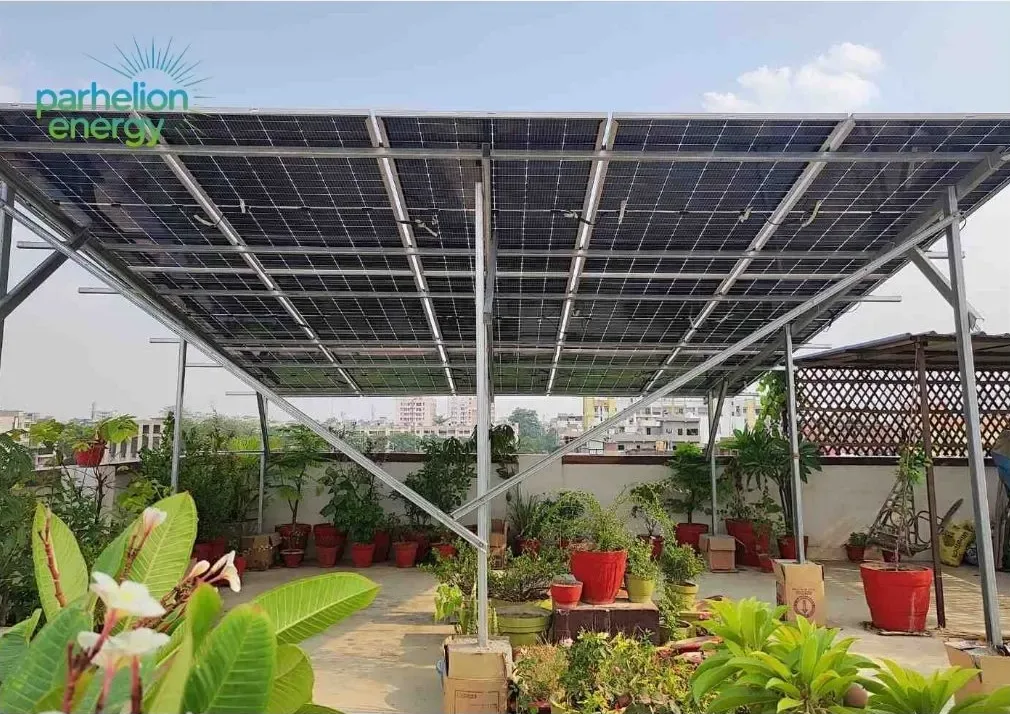
Panels sit on a structure that must survive Bihar’s monsoon winds and last as long as the panels. Galvanised or aluminium structures, the height of the structure (for example an elevated structure so the roof stays usable) and the type of roof — RCC, tin shed or ground mount — all change material and labour costs.
7. Wiring, protection and installation quality
Good installations use proper DC and AC cables, earthing, lightning arrestors and protection devices. These items are easy to cut from a quote to make it look cheaper, but they are important for safety and long-term performance. Ask every installer to list them clearly.
8. Net metering, approvals and after-sales service
For grid-connected systems there is paperwork with the electricity distribution company (DISCOM) and a net meter to install. Some quotes include this service; others do not. Also check what after-sales support is included — site visits, cleaning guidance and warranty handling.
How subsidy changes the final cost
For homes, the central government’s PM Surya Ghar Muft Bijli Yojana provides financial assistance for residential rooftop solar — ₹30,000 per kW for the first 2 kW and ₹18,000 for the third kW, up to a maximum of ₹78,000 for systems of 3 kW and above. The subsidy is credited to your bank account after installation and inspection, subject to scheme terms.
Learn how to apply in our guide to the PM Surya Ghar Yojna.
How to compare quotes fairly
- Make sure every quote is for the same system size and type.
- Compare panel and inverter brands, models and warranties — not just the total.
- Check what is included: structure, wiring, protection, net metering, transport and installation.
- Ask about after-sales service and who you will call if something goes wrong.
- Calculate the payback: how many years of bill savings will recover the cost.
Parhelion Energy provides a free site survey and a transparent, itemised quote for homes and businesses across Bihar. Book your free survey to get an exact price for your roof.
Get an exact quote for your roof
Free site survey, itemised quote and subsidy guidance across Bihar.
Frequently asked questions
System size (kW) is the biggest factor, followed by the system type — batteries in off-grid and hybrid systems add significantly to the price.
The PM Surya Ghar subsidy is for residential rooftop solar. Businesses and institutions usually benefit through lower electricity bills and other applicable incentives.